Column · @johnathanouaj189
Body Contouring Farmington Hills: What Clients Often Ask First
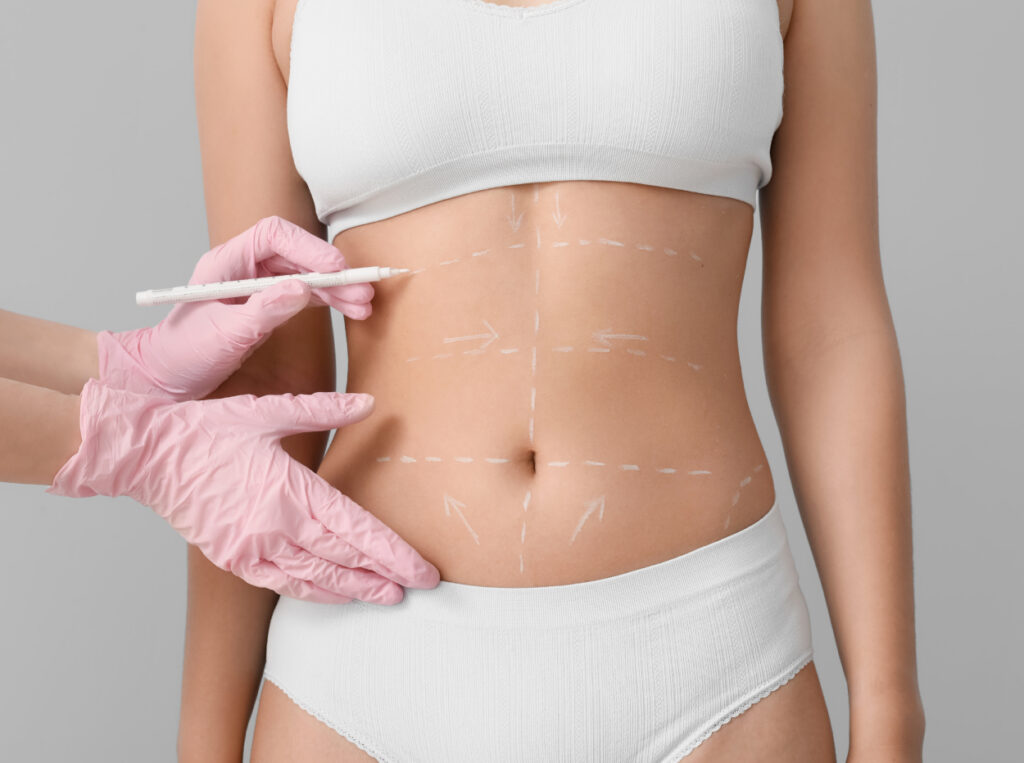

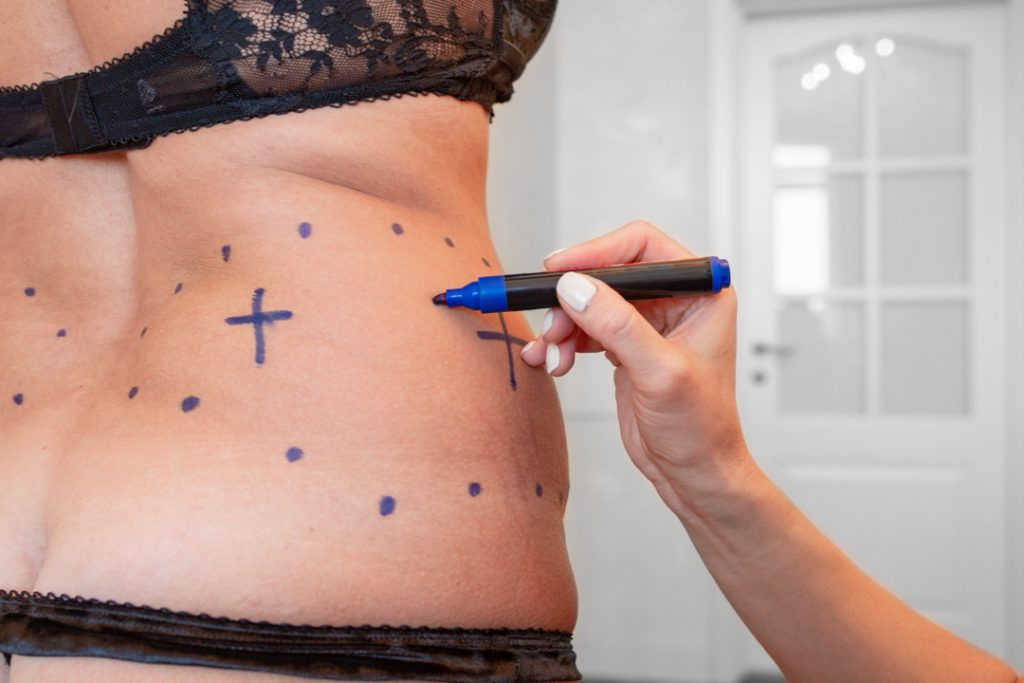
When people start looking into body contouring, the first questions are rarely technical. They are practical, personal, and usually asked with a little caution. Will this actually help my shape? Will I look unnatural? How much downtime am I signing up for? Is this worth it if I am already close to my goal weight?
Those are the right questions.
In consultations, most clients are not chasing a dramatic transformation. They are trying to solve a stubborn problem that has not responded to the usual effort. It might be lower abdominal fullness after pregnancy, love handles that linger despite weight training, or loose skin after a significant weight loss. Often, the person in the consultation chair has already done many things right. They have cleaned up their diet, built exercise habits, and lost pounds or inches, yet one area still seems resistant. That is usually the point when the phrase Body Contouring Farmington Hills starts to mean something more specific than a general internet search.
The goal of body contouring is not to replace weight loss. It is to refine shape. That distinction matters, because the best outcomes happen when expectations match what the treatment can realistically do. Farmington Hills clients tend to ask clear, sensible questions, and the first round almost always centers on candidacy, comfort, recovery, cost, and results. If you are in the early research stage, understanding those issues will save you time and help you walk into a consultation better prepared.
The first question: what exactly counts as body contouring?
Body contouring is a broad category, and that is part of why people get confused at the beginning. Some treatments reduce pockets of fat without surgery. Others tighten skin. Some do both to a degree, though usually one benefit is stronger than the other. Surgical options can remove more tissue and create more dramatic reshaping, but they also involve more recovery and higher cost.
A person searching for Body Contouring Farmington Hills might be thinking about CoolSculpting, radiofrequency skin tightening, laser-assisted fat reduction, liposuction, or a tummy tuck. Those are not interchangeable services. They address different concerns and suit different bodies.
That is why a good consultation starts with anatomy, not branding. A provider should assess whether the issue is primarily localized fat, skin laxity, weakened abdominal muscles, cellulite, or a combination. A flat area with mild pinchable fat behaves differently than skin that has lost elasticity. Someone who recently lost 60 pounds will have very different treatment needs from someone who simply wants to soften the outline of the flanks.
The most useful way to think about body contouring is simple: what are you trying to change, and what kind of tissue is causing that shape? Once that is clear, treatment planning gets much easier.
Am I a good candidate, or should I lose more weight first?
This is probably the most common opening question, and it is a smart one.
Body contouring usually works best for people who are at or near a stable, maintainable weight. Depending on the treatment, that often means within roughly 10 to 20 pounds of where they realistically expect to stay. Stability matters more than chasing a perfect number. If someone is actively losing a significant amount of weight, the body is still changing. Treating too early can lead to disappointment, especially if loose skin becomes more noticeable later.
Clients often assume they need to hit an ideal weight before doing anything. Sometimes that is true, but not always. If a person is close to their goal and mainly bothered by isolated areas, it can make sense to move forward. On the other hand, if there is a plan for substantial weight loss over the next six months, it is usually better to wait. Body contouring should complement your efforts, not compete with them.
Pregnancy plans also matter. If someone is considering an abdominal contouring procedure and hopes to become pregnant soon, it is worth discussing timing carefully. A future pregnancy can change results, particularly after surgical body contouring.
A provider with good judgment will not rush this discussion. They will ask about weight history, exercise, medications, previous surgeries, and long-term goals. The answer is not just whether you qualify for a treatment. It is whether the timing makes sense for your life.
What bothers you more, fat or loose skin?
People often say, “I just want this area gone,” while pointing to the lower abdomen, upper arms, or bra line. But the real issue may not be fat alone. That matters because fat reduction does not always fix loose skin, and skin tightening alone cannot remove a meaningful pocket of fat.
This comes up often after pregnancy and weight loss. A patient may pinch the lower abdomen and assume it is all fat, but a careful exam can reveal skin laxity and stretched tissue. In that case, a noninvasive fat treatment may shrink volume slightly while leaving the person disappointed that the area still does not look firm. The treatment technically worked, but it did not solve the right problem.
This is one of the most important conversations in any Body Contouring Farmington Hills consultation. Clients deserve a direct explanation of what can be improved and what probably will not change much. A modest result can still be worthwhile, but only if it is the result you actually wanted.
A practical example helps. Imagine two people who both wear the same dress size and both dislike their midsection. One has a dense, localized layer of abdominal fat with good skin tone. The other has thinner fat but visible looseness and creasing when seated. Those two clients may need entirely different treatment plans, even though they describe the concern with the same words.
How much difference can I realistically expect?
Another early question, and often the one people circle back to several times, is how noticeable the change will be.
The honest answer is that body contouring results exist on a spectrum. Noninvasive treatments tend to produce gradual, moderate improvement. Surgical options can create more dramatic reshaping. Neither category is universally better. It depends on your anatomy, tolerance for downtime, and expectations.
A client considering noninvasive treatment should not expect the equivalent of liposuction. That comparison causes a lot of frustration. Noninvasive body contouring is often best for fine-tuning. It can reduce a stubborn bulge enough to improve how clothing fits or create a cleaner waistline, but it usually will not transform the silhouette overnight.
Surgery can do much more, particularly when larger fat deposits or loose skin are involved. But surgery also comes with anesthesia considerations, scars, recovery time, and a more serious commitment. Some clients are perfectly comfortable with that trade-off. Others want the gentlest option available, even if the change is less dramatic.
One of the best signs of a strong consultation is when before-and-after discussions feel grounded rather than sales-driven. The provider should show results from cases similar to yours, not only the most dramatic examples in a photo gallery. Body type, age, skin quality, and previous pregnancies all affect the outcome.
Will I look natural?
This question is often asked quietly, but it is extremely important. Most clients do not want to look “done.” They want their body to look like their own, just more balanced.
Natural-looking contour is tied to proportion. Good body contouring does not create a random hollow or an overtreated area. It respects the way neighboring areas relate to each other. If the flanks are reduced but the upper abdomen is not assessed, the overall shape can feel incomplete. If an inner thigh is tightened unevenly, the change may draw attention instead of blending in.
A conservative treatment plan is sometimes the better plan. That is especially true for first-time clients who are unsure how much change they want. It is far easier to add refinement later than to overcorrect and wish you had stopped sooner.
There is also a psychological side to this. People usually notice body changes on themselves long before others do. That can be reassuring. A strong result often shows up first as, “My pants fit better,” or, “I do not tug at this top anymore,” rather than someone dramatically asking what procedure you had done.
What does treatment feel like?
Comfort matters, and many people hesitate to ask about it because they do not want to sound anxious. Ask anyway.
The sensation depends on the technology or procedure. Some noninvasive fat reduction treatments involve intense cold, suction, warmth, pressure, tingling, or temporary numbness. Radiofrequency and ultrasound-based devices often feel warm or hot in a controlled way. Surgical contouring is a different category entirely and should be discussed in terms of anesthesia, post-procedure soreness, swelling, compression garments, and activity restrictions.
Pain tolerance is personal, but most people are less worried about momentary discomfort than they are about the recovery afterward. If a treatment requires several sessions and each leaves you tender for a few days, that matters even if each session is technically “tolerable.”
A consultation should cover not only what treatment day feels like, but what the next 72 hours feel like. That is where real-life planning happens. Can you go back to work the same day? Will your waistband bother the treated area? Can you do school pickup, a long drive, or a workout class? These practical questions make a big difference.
How long until I see results?
This is where expectations need to be very specific.
With many noninvasive treatments, results build over weeks or months. The body needs time to process treated fat cells or respond to collagen stimulation. For some people, the early change is subtle. A stronger visible improvement may not show up until eight to twelve weeks, and certain treatments continue evolving beyond that.
Surgical body contouring can produce an immediate shape change, but that does not mean the final result is visible right away. Swelling can last for weeks and, in some cases, months. The area may look uneven before it settles. That is normal, but patients should know it before they panic at day five or day ten.
The right time to judge results depends on the treatment. This is one reason follow-up care matters. Good providers set milestones for what you should expect now, later, and at the longer-term endpoint. Without that roadmap, people either dismiss a treatment too early or assume a temporary stage is their final outcome.
How much downtime should I plan for?
Downtime is not just about staying home from work. It also includes exercise limits, social visibility, tenderness, bruising, sleep comfort, clothing choices, and the mental energy that recovery takes.
Noninvasive body contouring is often marketed as having little to no downtime, and for many people that is broadly true. But “little downtime” does not mean “no impact.” If an area feels numb, swollen, or sensitive for a week or two, you may still need to adjust routines. It may not stop you from working, but it can affect comfort.
Surgical procedures require a more serious recovery plan. Clients with desk jobs may return sooner than clients whose work is physically demanding, but everyone needs to think beyond the calendar. If you have small children, care responsibilities, travel plans, or an event approaching, timing becomes crucial.
The best consultations usually include a plainspoken recovery conversation like this one: what can you realistically handle right now? A teacher in the middle of a school term, a parent during summer break, and a person preparing for a wedding each has a different threshold for downtime.
What will this cost, and why do prices vary so much?
This question comes early for good reason. Price ranges in body contouring can vary significantly, and the number by itself rarely tells the whole story.
Cost depends on the treatment type, the size and number of areas treated, how many sessions are needed, the skill of the provider, geographic market factors, and whether you are paying for surgery, facility fees, anesthesia, garments, or follow-up visits in addition to the procedure itself.
A low quote is not always a bargain. Sometimes it reflects a smaller treatment area than you assume, fewer sessions than you will actually need, or a provider with limited experience. On the other hand, the highest quote is not automatically the best care. What matters is whether the plan is appropriate, clearly explained, and likely to meet your goals.
Clients comparing Body Contouring Farmington Hills options should ask for detail, not just totals. If one office recommends one session and another recommends three, the difference is meaningful. If one quote includes post-treatment visits and another charges separately, that matters too.
It helps to think in terms of value rather than sticker shock. The cheapest route can become expensive if you chase a result through repeated underpowered treatments. The reverse is also true. Some people choose surgery when they would have been happy with a less invasive option and far less expense.
How do I know if a provider is being honest with me?
This is one of my favorite questions because it cuts to the heart of good aesthetic care.
An honest provider will tell you when a treatment is not ideal for your body. They will explain trade-offs without trying to smooth them over. https://telegra.ph/Body-Contouring-Farmington-Hills-What-Results-Timeline-Should-You-Expect-09-24 They will not promise perfection, and they will not pretend every concern can be solved noninvasively.
There are a few green flags worth paying attention to:
- They examine the area carefully instead of recommending a treatment in under five minutes.
- They talk about limitations as clearly as benefits.
- They discuss your weight stability, skin quality, and long-term plans.
- They show results from similar cases, not only best-case photos.
- They are comfortable saying, “I do not think this will give you the result you want.”
That last point matters. Some of the best consultations end without a procedure scheduled that day. A trustworthy clinician is more interested in a good outcome than a quick yes.
Will the results last?
Body contouring results are not the same as a permanent immunity from body change. The body continues to age. Weight can fluctuate. Hormones, pregnancy, stress, sleep, and medications can all influence shape over time.
That said, many results can last well if you maintain a stable lifestyle. Fat reduction can be durable when body weight remains relatively consistent. Skin tightening results depend partly on your baseline skin quality and how your body continues to produce and remodel collagen. Surgical contouring can offer lasting changes, but even excellent surgery does not stop future skin laxity or weight gain.
Clients sometimes imagine results as either permanent or pointless. Reality is more nuanced. A treatment can be worthwhile even if your body changes gradually with time. Most aesthetic improvements are best viewed the same way people view orthodontics, hair color, or fitness. They are investments that benefit from maintenance and reasonable expectations.
Are there risks or side effects people underestimate?
Yes, especially when marketing language makes body contouring sound effortless.
Even noninvasive treatments can bring swelling, redness, tenderness, numbness, bruising, or unevenness that takes time to settle. Surgery carries broader risks, including infection, fluid collection, prolonged swelling, contour irregularities, scarring, and anesthesia-related concerns. A thorough consent process should cover these plainly.
What people underestimate most often is not catastrophic risk. It is the inconvenience of normal recovery. Wearing a compression garment consistently can be more annoying than expected. Temporary numbness can last longer than a person anticipated. Early swelling can make someone feel discouraged before the final result appears.
This is where real-world counseling matters. If you know what is normal, you are less likely to panic or regret a treatment simply because the healing phase was inconvenient.
Questions worth bringing to your consultation
If you are narrowing down providers for Body Contouring Farmington Hills, a focused consultation can tell you a great deal. Rather than trying to master every device on the market beforehand, come in with questions that reveal how the provider thinks.
Consider asking:
- What is causing the shape I dislike, fat, skin laxity, muscle separation, or a mix?
- What result is realistic for my body, not for the average patient?
- If I choose the least invasive option, what will it improve and what will it not fix?
- How many treatments or what level of recovery should I truly expect?
- If this were your body or a family member’s, would you recommend this plan?
Those questions tend to produce more useful answers than asking which machine is “best.” Technology matters, but judgment matters more.
Why local context matters in Farmington Hills
Clients in Farmington Hills often have practical priorities. They are balancing work, commuting, family schedules, and social commitments. Many want effective treatment, but they also want discretion and a sensible recovery plan. That local mindset shapes how body contouring is discussed and chosen.
In this area, consultations frequently revolve around function as much as appearance. Can I schedule this around a demanding job? Will I be comfortable at my kid’s sports event that weekend? Can I get back to the gym soon? Those are not superficial concerns. They are exactly the details that determine whether a treatment experience feels manageable.
Climate and season can influence timing too. Compression garments in the heat of summer are a different experience from wearing them in late fall. Event calendars matter. People often start planning body contouring in winter or early spring because they want healing time before vacations, weddings, or lake season clothing. A thoughtful provider pays attention to those life details instead of treating every treatment plan like a generic transaction.
The bottom line clients usually reach
After the first round of questions, most people realize body contouring is less about finding the hottest treatment and more about finding the right match. The best option is not the most aggressive or the newest. It is the one that fits your anatomy, your goals, your budget, and your tolerance for recovery.
That is especially true when looking for Body Contouring Farmington Hills services. The strongest results usually come from a calm, honest evaluation, followed by a plan that respects both possibility and limitation. If a provider helps you understand whether your issue is fat, loose skin, or both, explains what kind of change is realistic, and speaks clearly about comfort, downtime, and cost, you are already in better hands than most online ads will ever offer.
Clients do not need perfection to feel happy with body contouring. They need improvement that makes sense, looks natural, and holds up in real life. When those pieces line up, the treatment tends to feel less like a gamble and more like a thoughtful decision.
Aesthetic Plastic Surgery & Laser Center, Michelle Hardaway M.D.
Address: 27920 Orchard Lake Rd, Farmington Hills, MI 48334
Phone number: +12482211957
FAQ About Body Contouring Farmington Hills
What does body contouring actually do?
Body contouring (or body sculpting) eliminates stubborn localized fat, tightens loose, sagging skin, and reshapes your silhouette. It is not a weight-loss tool, but rather a cosmetic procedure used to refine and tone specific trouble spots after major weight loss, pregnancy, or aging.
How much does body contouring usually cost?
The total cost of body contouring usually ranges from $2,000 to $25,000+ depending entirely on whether you choose non-surgical sessions or major surgical procedures.
Because "body contouring" covers everything from simple fat-freezing to comprehensive post-weight-loss surgeries, pricing is heavily categorized by the method used.
What is the best type of body contouring?
Liposuction is a huge topic and worth discussing in more detail, but in terms of body contouring and sculpting, nothing does the job better than liposuction, particularly VASER liposuction.