Column · @johnathanouaj189
Body Contouring Farmington Hills: A Closer Look at Custom Treatment Plans
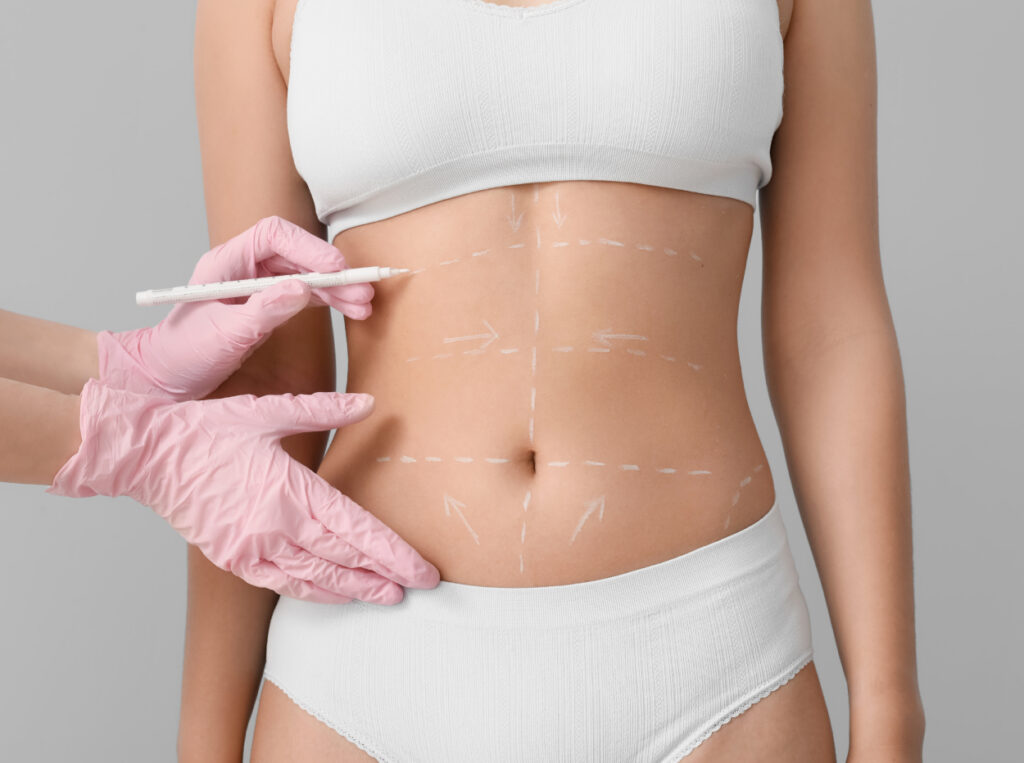
Body contouring is one of those categories of aesthetic medicine that sounds straightforward until you sit down for a real consultation. Many people arrive expecting a simple answer. They want to know which treatment gets rid of the lower abdomen, tightens the bra line, or smooths the outer thighs. What they often find instead is that the best plan depends on anatomy, skin quality, weight stability, recovery tolerance, and the shape they are trying to create, not just the fat they want to reduce.
That is especially true when discussing Body Contouring Farmington Hills patients often ask about. In a community where people have varied goals, from post pregnancy reshaping to small refinements after weight loss, custom planning matters more than the name of any single device. Two people can both say, “I want my stomach flatter,” and still need entirely different treatments.
A thoughtful body contouring plan does not start with a machine. It starts with observation. Where is the fullness located. Is it soft, pinchable subcutaneous fat or deeper volume that is less responsive to noninvasive treatment. Has the skin lost elasticity after pregnancy or major weight loss. Is there muscle separation. Is the patient hoping for a dramatic change or a modest improvement with little downtime. Those details change everything.
What body contouring really means in practice
The term “body contouring” covers a wide range of approaches. It can refer to noninvasive fat reduction, treatments aimed at skin tightening, muscle toning procedures, minimally invasive techniques, or surgery such as liposuction and excisional body contouring. Patients often use the phrase to mean “spot reduction,” but clinicians usually use it more broadly to describe reshaping.
That distinction matters because contour and weight are not the same thing. A patient can be close to their ideal weight and still feel unhappy with the silhouette of the waist, flanks, or lower abdomen. Another patient may have lost 60 pounds and now be more bothered by lax skin than remaining fat. A third might be fit and lean, but notice asymmetry through the hips or arms that clothing seems to emphasize. Body contouring plans should account for shape, tissue quality, and proportion, not just pounds on the scale.
In practice, the conversation often centers on four variables: how much fat is present, how well the skin can retract, how much downtime is acceptable, and how visible the change needs to be. If a patient wants subtle improvement and cannot take time off work, noninvasive treatment may be a strong fit. If they want one large correction and are open to recovery, surgery may offer a better path. If they sit somewhere in the middle, combination treatment sometimes makes the most sense.
Why custom treatment plans matter more than brand names
It is easy to get distracted by marketing. Patients frequently arrive asking for a specific treatment they saw on social media or heard about from a friend. There is nothing wrong with researching options, but device names can create false confidence. A treatment that worked beautifully for one person may be the wrong match for another.
A custom plan accounts for what the eye sees and what the hand feels during the exam. For example, a lower abdomen that looks prominent may not be due to a thick layer of superficial fat alone. The issue could be mild skin laxity, weakened abdominal wall support after pregnancy, or a posture pattern that pushes the abdomen forward. If the underlying problem is not identified, the chosen treatment may disappoint even when technically performed well.
I have seen this play out in very ordinary ways. Someone in their early forties comes in after trying to “freeze away” fullness beneath the navel at another office. They are not heavier than they used to be, but their skin has become less elastic after two pregnancies. The treatment reduced some fat, yet the patient feels little improvement because what catches the eye is looseness and creping when seated. The office did not necessarily do anything wrong. The plan was simply incomplete.
On the other side, I have also seen patients assume they need surgery when they do not. A healthy patient with small flank pockets, firm skin, and realistic expectations may do very well with a noninvasive series, especially if they are willing to wait for gradual change. Good planning protects patients from overtreatment as much as undertreatment.
The consultation should feel like an assessment, not a sales pitch
A strong consultation has a certain rhythm. It starts with goals in the patient’s own words, then moves to medical history, current weight stability, prior pregnancies or surgeries, and any past body contouring treatments. After that comes the exam, which should be specific. The provider should assess fat distribution, skin elasticity, symmetry, stretch marks, scars, and whether muscle tone or laxity is affecting the contour.
This is also where practical issues come in. Recovery is not a side note. For many patients in Farmington Hills, scheduling matters as much as science. Parents need to plan around lifting restrictions. Professionals may be fine with mild bruising under clothing but not with several weeks of drainage garments or limited mobility. A patient training for a race may not want anything that interrupts workouts for long. A bride with a fitted dress in twelve weeks needs a different timeline from someone who is simply planning ahead for next summer.
The best consultations also include some gentle expectation setting. Body contouring improves shape. It does not create a different body frame, erase cellulite in every case, or replicate a filtered before and after photo. Patients usually appreciate candor when it is delivered clearly. In fact, realistic counseling is often what leads to better satisfaction, because the patient knows what kind of improvement to look for and how long it may take to see it.
Common treatment categories and how they fit into a plan
Noninvasive fat reduction appeals to many first time patients because it avoids incisions and generally comes with minimal downtime. Treatments in this category typically target localized pockets of pinchable fat. Results tend to appear gradually over weeks to months. These options are often best for patients near a stable weight who want refinement rather than a major transformation.
Skin tightening treatments occupy a different lane. Some use radiofrequency, ultrasound, or other energy based platforms to stimulate collagen and improve mild to moderate laxity. These can be useful on areas such as the abdomen, upper arms, or thighs when looseness is part of the complaint. They are not a replacement for skin removal surgery when laxity is severe, but they can make a noticeable difference for the right candidate.
Muscle focused treatments have grown in popularity, especially among patients who exercise but still want more visible definition through the abdomen or glutes. These are not fat loss procedures in the traditional sense, though they can complement a broader plan. They tend to suit patients who already have a relatively favorable body composition and want to sharpen a contour rather than dramatically shrink an area.
Liposuction remains one of the most effective methods for removing fat and shaping the body when a patient wants a more pronounced result. That does not mean it is the right answer for everyone. It involves procedure related risks, compression, bruising, and a real recovery period. Still, for properly selected patients, it often achieves a level of change that noninvasive options cannot match.
Then there are combination plans. These are often the most nuanced. A patient may benefit from liposuction of the flanks with later skin tightening along the lower abdomen. Another may begin with noninvasive fat reduction and add a muscle toning series to enhance the final shape. A post weight loss patient may need surgery in one area and noninvasive maintenance in another. When treatment planning is thoughtful, combination care does not feel excessive. It feels tailored.
What makes one patient a good candidate and another a poor one
Candidacy is not just about body mass index, though weight does matter. The biggest predictor of satisfaction is often whether the treatment chosen actually matches the physical problem.
A patient with a small amount of abdominal fat, tight skin, and no major laxity may be an excellent candidate for noninvasive contouring. A patient with hanging skin after major weight loss is usually not. Trying to solve significant looseness with a treatment meant for modest tightening is one of the most common setup errors in this field.
Weight stability also matters more than people expect. If someone is actively losing or gaining, it becomes harder to judge true contour needs. A stable baseline gives both patient and provider a reliable starting point. It also tends to preserve results better.
Smoking status, medical conditions, healing history, and medications matter as well, especially when surgery or invasive procedures are under consideration. The same is true for scar tendencies and previous operations in the treatment area. An honest medical screening is not bureaucracy. It is part of good aesthetic judgment.
Finally, mindset counts. The best candidates are usually those who can describe their goals clearly, accept that all treatments have limits, and understand that contouring enhances what is already there. Perfection seeking tends to be a warning sign, not because patients should settle, but because body contouring is about improvement and proportion, not flaw erasure.
Areas that often need different strategies
The abdomen gets most of the attention, but it is also one of the most complex zones. Some patients have a simple layer of localized fat. Others have abdominal wall laxity, loose skin, old C section scarring, or upper versus lower abdominal fullness that behaves differently. Treating the abdomen well often requires restraint and precision.
Flanks tend to respond well when the tissue is soft and well defined. Even a modest reduction there can make the waist appear more sculpted. It is one of the reasons patients sometimes feel happier after flank treatment than after chasing small changes in the center of the abdomen.
Upper arms are another interesting area. Many patients dislike the way this region moves in clothing, but they may have a mix of fat and skin laxity. If looseness is significant, fat reduction alone can backfire aesthetically by making the skin look more deflated. A custom plan has to address that possibility upfront.
Inner and outer thighs present their own challenges. The contour has to be balanced so one region does not look overtreated relative to another. Thigh skin can also behave unpredictably, especially after weight fluctuation. Subtlety often wins here.
The submental area beneath the chin is technically part of facial contouring, but many body contouring practices include it because patients think in terms of profile and overall shape. It is a reminder that contouring is not just about size. It is about line, transition, and proportion.
Timelines patients should realistically expect
One reason custom plans matter is that treatment timelines vary widely. Noninvasive fat reduction often shows a gradual response over one to three months, sometimes longer. Skin tightening may require a series, followed by several months of collagen remodeling. Muscle toning treatments can create earlier visible changes, but they typically work best with maintenance and continued exercise.
Surgical contouring has a different timeline. The area may look improved early, but swelling can mask the final outcome for weeks or months. Patients planning around weddings, vacations, reunions, or photo sessions need this explained carefully. Last minute body contouring is usually a bad strategy.
A seasoned provider will also build in the possibility of staged treatment. It is not unusual to reassess after the first phase before deciding whether another modality is necessary. This approach is more honest than promising a perfect endpoint from the start.
Cost, value, and the trade off conversation
Patients deserve straight talk here. Lower cost does not always mean better value, and higher cost does not automatically mean better care. The real question is whether the treatment has a reasonable chance of delivering the degree of change the patient wants.
A noninvasive option may seem attractive because the upfront cost is lower and downtime is minimal. But if the patient really wants a significant reduction in one area, several rounds may still leave them short of their goal. In that scenario, a surgical option might provide better value despite higher initial expense and recovery.
The reverse can also be true. A patient with mild fullness and no appetite for downtime may spend more than necessary by jumping straight to an invasive solution when a simpler approach would likely satisfy them. Good planning includes a frank conversation about return on investment, not just price per treatment.
Questions worth asking during a consultation
Patients do not need to become experts before booking a visit, but a few focused questions can sharpen the conversation and expose whether the plan is genuinely customized.
- What exactly are you treating here, fat, skin laxity, muscle tone, or a combination?
- Am I a strong candidate for this option, or just an acceptable one?
- What level of change should I realistically expect, and when?
- If this does not fully address my concern, what would the next step be?
- What does recovery actually look like for someone with my schedule?
Those questions tend to move the consultation past generic promises and into useful specifics.
Why local context matters in Farmington Hills
When people search for Body Contouring Farmington Hills, they are not only looking for a treatment menu. They are also looking for care that fits their lives. Local patient populations often share practical concerns, seasonal schedules, and lifestyle patterns that influence planning. A suburban professional commuting to appointments, a parent juggling school pickups, and a retiree with flexible time all approach downtime differently.
There is also a strong preference in many communities for results that look polished rather than obvious. Patients often want to feel better in tailored clothing, slimmer through the midsection, or more confident in summer wear without looking as if they had a dramatic overnight change. That preference often favors staged, natural looking contouring over aggressive treatment for its own sake.
A provider who understands this tends to plan more intelligently. They know when to recommend patience, when to combine modalities, and when to say that surgery is the cleaner answer. They also know that trust is built through honest assessment, not through promising that every device works for every body.
The emotional side of body contouring, handled professionally
Aesthetic treatment is never only physical. Even very practical patients can carry frustration about areas that have resisted diet and exercise for years. Postpartum patients may be grieving a familiar shape they once had. Post weight loss patients often feel proud of their progress yet surprised by lingering dissatisfaction with loose skin or disproportion.
A professional consultation makes room for those feelings without overselling a cure. The aim is not to pathologize normal body changes, nor to dismiss them. It is to translate emotion into a realistic plan. Sometimes that means moving forward with treatment. Sometimes it means waiting until weight stabilizes or life circumstances make recovery easier. Sometimes it means recognizing that the desired result is surgical and deciding whether that commitment feels worthwhile.
That kind of judgment is difficult to package into advertising copy, but it is usually the difference between a patient who feels informed and one who feels rushed.
What a well built treatment plan usually includes
Even though every plan is individual, strong recommendations tend to share a few traits. The goals are specific, the timeline is clear, and the endpoint is defined in practical terms. Instead of saying “we’ll sculpt your body,” a good plan might say that the first phase targets flank fullness, the second reassesses lower abdominal laxity, and the final decision depends on how the skin responds. That level of detail is reassuring because it reflects actual thinking.
The plan should also account for maintenance. Body contouring can reduce fat cells or tighten tissue, but it does not suspend biology. Weight changes, aging, pregnancy, and hormonal shifts still matter. Patients generally do best when they understand that treatment works alongside stable habits, not in place of them.
Follow up matters too. Progress photos taken under consistent conditions can be far more useful than memory. Swelling, posture, and clothing choices all distort self assessment. Seeing https://eduardompcj314.scriblorax.com/posts/body-contouring-farmington-hills-smart-strategies-for-first-time-clients objective comparisons at the right intervals helps patients judge results more fairly.
Choosing carefully leads to better outcomes
The strongest body contouring outcomes usually come from moderation, not hype. Patients benefit when the provider looks beyond the obvious complaint and asks what is truly shaping the area. They benefit when the plan matches the tissue, the lifestyle, and the patient’s tolerance for downtime. And they benefit when the expected result is framed honestly from the start.
For anyone exploring Body Contouring Farmington Hills, that is the real takeaway. Custom treatment plans are not a luxury add on. They are the foundation of sensible aesthetic care. When the evaluation is careful and the recommendations are individualized, body contouring becomes far more predictable, and far more worth doing.
Aesthetic Plastic Surgery & Laser Center, Michelle Hardaway M.D.
Address: 27920 Orchard Lake Rd, Farmington Hills, MI 48334
Phone number: +12482211957
FAQ About Body Contouring Farmington Hills
What does body contouring actually do?
Body contouring (or body sculpting) eliminates stubborn localized fat, tightens loose, sagging skin, and reshapes your silhouette. It is not a weight-loss tool, but rather a cosmetic procedure used to refine and tone specific trouble spots after major weight loss, pregnancy, or aging.
How much does body contouring usually cost?
The total cost of body contouring usually ranges from $2,000 to $25,000+ depending entirely on whether you choose non-surgical sessions or major surgical procedures.
Because "body contouring" covers everything from simple fat-freezing to comprehensive post-weight-loss surgeries, pricing is heavily categorized by the method used.
What is the best type of body contouring?
Liposuction is a huge topic and worth discussing in more detail, but in terms of body contouring and sculpting, nothing does the job better than liposuction, particularly VASER liposuction.